
Digital misinformation generated a commercial crisis that was greater than the direct effects of the oil spill in the Gulf of Mexico on the fishing sector. Three months after the environmental emergency, fishing and water tourism activities are operating normally, while the remaining hydrocarbons have been reduced to solid sediments along the coast.
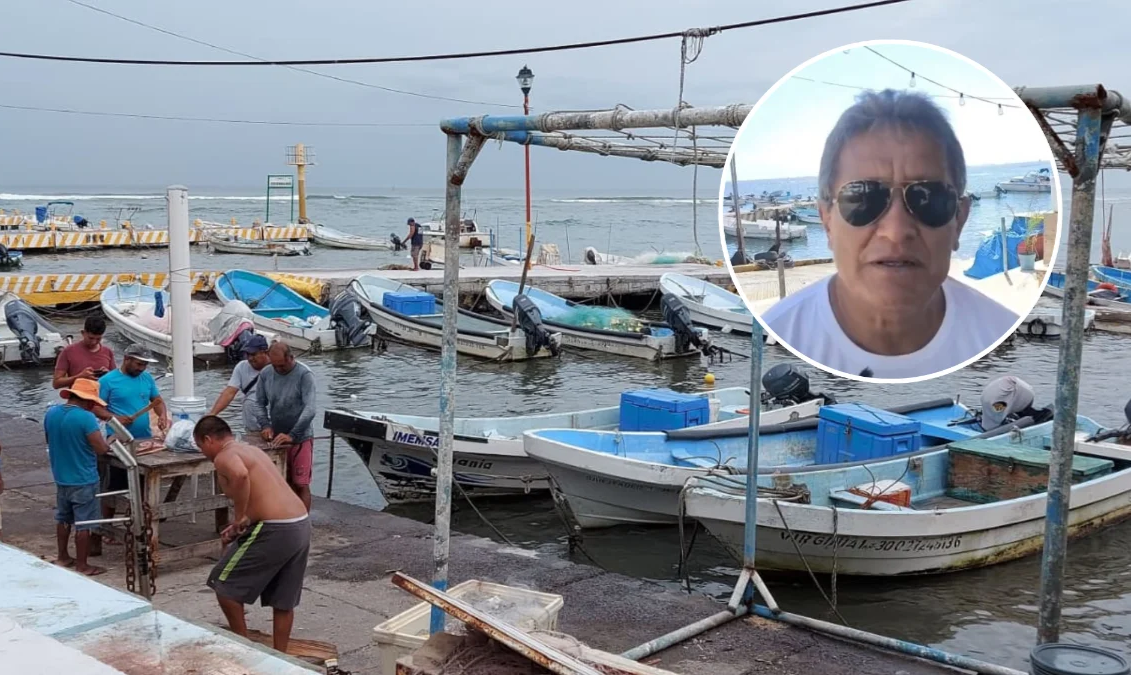
The drop in seafood consumption stemmed from the dissemination of reports about contaminated wildlife on internet platforms. The president of the Veracruz Port Fishermen’s Federation, Bernardo Hernández Guzmán, explained that the fish avoid contact with the crude oil and that fishing areas are located offshore, outside the affected perimeter.
Health authorities report zero cases of patients with medical problems from consuming seafood from this area. With no clinical cases, consumers have returned to the markets and reactivated the local economy.
On the beaches, there is no liquid fuel present, and workers are manually removing the last traces of the material. The hydrocarbon washes ashore in the form of small tar-like stones, which are collected by boaters without disrupting tourist routes or fishing.
Regarding the weather, the representative of the fishing sector reported no damage to their infrastructure after the impact of a recent squall. Fishermen secured their boats and navigation equipment on land before the wind shifted, after receiving and implementing the weather forecasts issued by the authorities.
He noted that the increase in seawater temperature raises the probability of the formation of new, sudden storm systems. Given this scenario and the ongoing hurricane season, coastal fishing fleets are monitoring alerts and adhering to the safety protocols required by the Port Authority.
Source: imagendeveracruz