
The searching mothers who travel through different areas of the state in search of their missing relatives are not exempt from the risks involved in this work. In Veracruz, members of the Collective of Relatives of the Missing Persons of Orizaba-Córdoba have faced harassment and messages warning them not to go to certain locations.
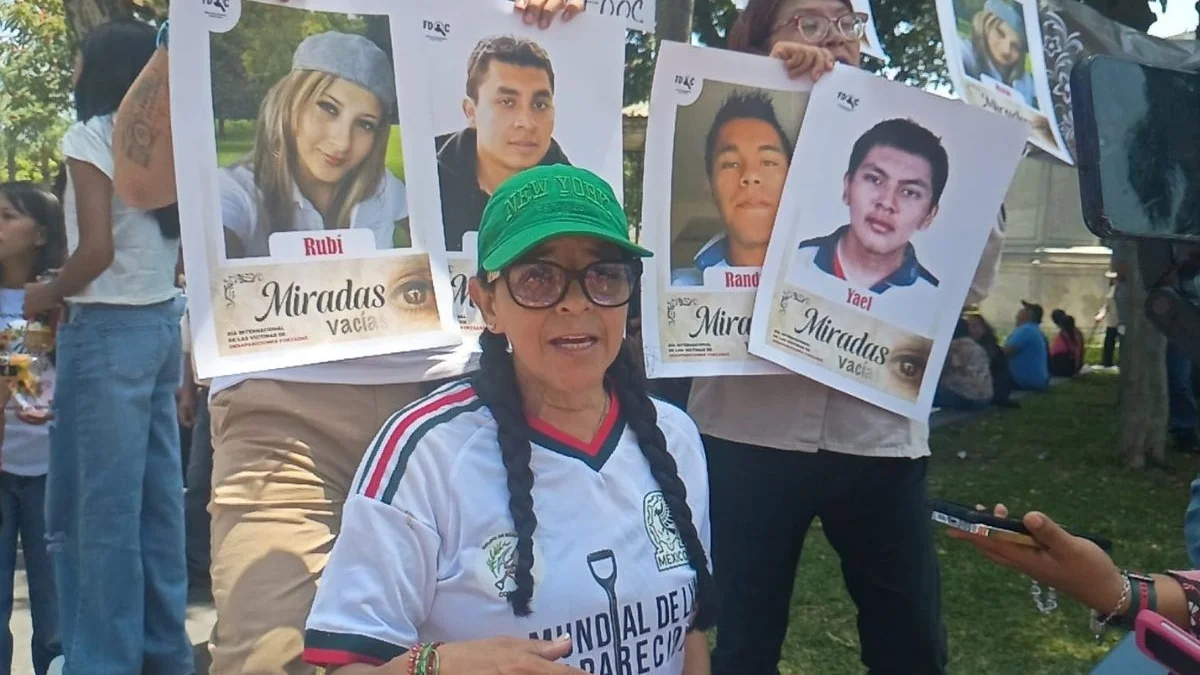
Araceli Salcedo Jiménez, representative of the collective, said that so far they have not faced an attack in Veracruz like the one that recently occurred against a searching mother in Sinaloa, where one of their colleagues and her daughter were injured; however, she acknowledged that acts of intimidation are among the situations they have had to face during their searches.
“We have experienced harassment; they send us some kind of message because they don’t want us to go into those areas,” she recounted.
The collective’s representative considered it concerning that women who began this work out of the need to find their relatives must also expose themselves to situations of insecurity while conducting field searches.
Should Searching Put Them at Risk?
Salcedo Jiménez lamented the attack against her colleague in Sinaloa and questioned why mothers have to face the risk of being murdered while carrying out an activity they never wanted to undertake in the first place.
“Why do we have to be murdered for doing a job we didn’t want to do? We didn’t want to be here,” she said.
Although the attack that occurred in that state did not take place in Veracruz, she said the incident has left members of search collectives concerned, as it highlights the risks women may face when traveling through fields, roads, and remote areas in an attempt to locate their loved ones.
She explained that search activities do not necessarily mean that every expedition ends with a discovery.
Before conducting an actual search, the women carry out prospecting and mapping work to identify locations where a mass grave might potentially exist.
The areas, she said, can be extensive, and the work can be exhausting, meaning they may spend one or two weeks searching an area without finding a positive indication.
How Do the Searches Continue?
Despite the difficulties and risks, families continue their search efforts. Salcedo Jiménez recalled that throughout the collective’s years of work, they have made discoveries and subsequently facilitated the return of remains to families.
She emphasized that this is precisely one of the main objectives of the searchers: to locate their loved ones, achieve their identification, and finally allow their families to have certainty about their whereabouts.
The work, however, also represents constant physical and emotional exhaustion for those involved. The representative explained that throughout 14 years of searching, tools such as shovels and picks have deteriorated or broken, so any in-kind support is useful for continuing their fieldwork.
Even citizens who are familiar with their work have approached them to provide water, tools, or other supplies that they can use during their search efforts.
For the searching mothers, fear has not meant abandoning their work. As long as there are missing people and families who continue waiting for answers, they say they will continue traveling to places where there is a possibility of finding any clue about their loved ones.
Source: imagendelgolfo